
I agree Our site saves small pieces of text information (cookies) on your device in order to deliver better content and for statistical purposes. You can disable the usage of cookies by changing the settings of your browser. By browsing our website without changing the browser settings you grant us permission to store that information on your device.
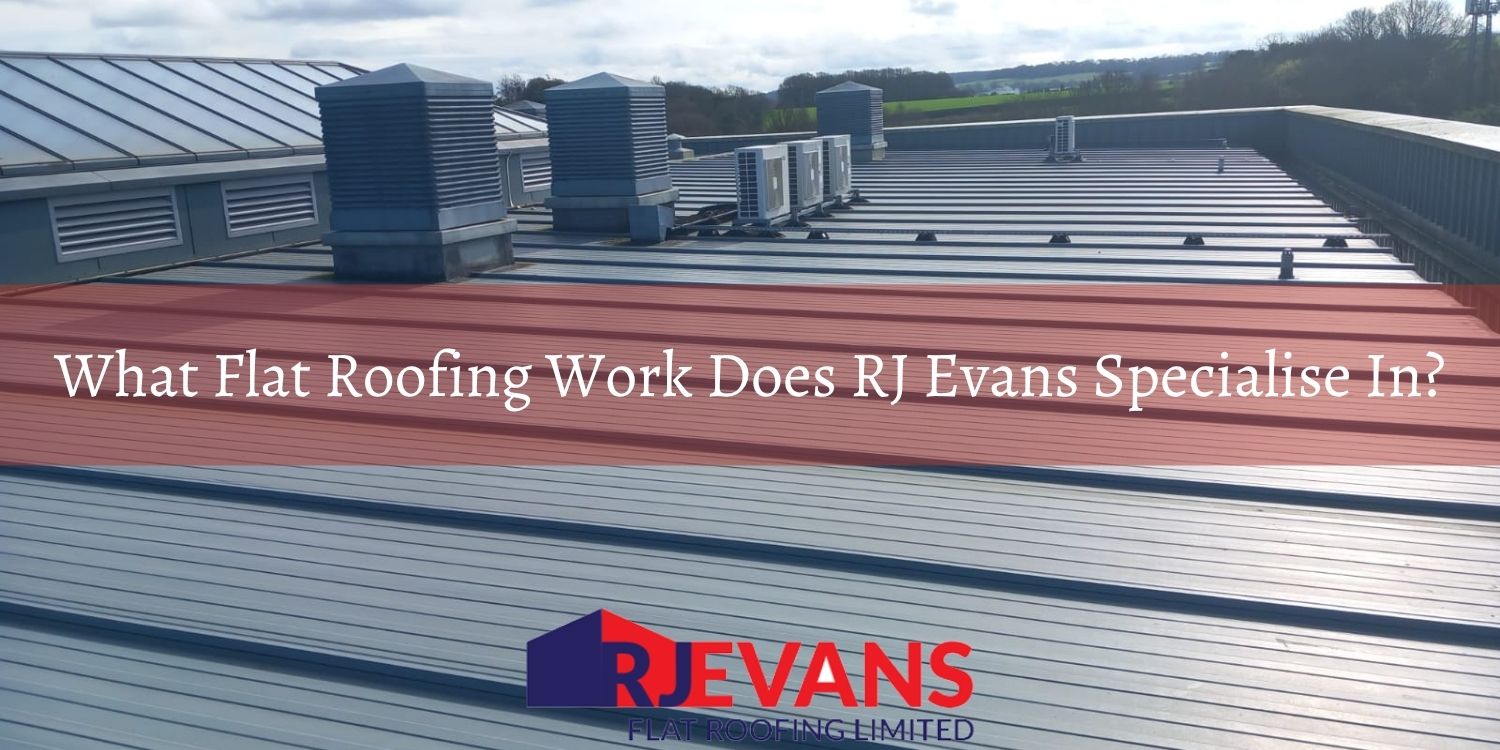
RJ Evans specialises in flat roofing for commercial and other buildings where reliable water exclusion depends on continuous waterproofing, controlled drainage, correct detailing, and the performance of the complete roof assembly. Its flat roofing expertise covers low-slope roof construction in which the waterproofing system, substrate, insulation, roof deck, drainage, penetrations, and perimeter details must work together to keep the building watertight. Flat roofing differs from steeply pitched roofing because rainfall is not shed from the roof surface as rapidly. Water may remain temporarily on the roof while moving towards outlets, gutters, valleys, or other drainage points, which places greater reliance on the integrity of the waterproofing layer and the quality of the details that interrupt or terminate it. The performance of a flat roof therefore depends on more than the exposed membrane or surface finish. Waterproofing, insulation, vapour-control layers, roof decks, falls, outlets, gutters, rooflights, penetrations, plant supports, flashings, upstands, perimeter junctions, and adjoining construction must function as one coordinated roof system.
RJ Evans works across flat roofing applications where the correct system must be matched to the existing construction, substrate condition, drainage arrangement, moisture condition, detailing requirements, exposure, and intended service performance. Its expertise includes liquid-applied roofing systems, mastic asphalt, and associated waterproofing where these provide an appropriate technical solution for the roof being protected. Flat roofs also contain numerous interfaces where waterproofing continuity can be lost. Rooflights, outlets, vents, pipes, ducts, plant supports, access hatches, movement joints, parapets, wall junctions, changes in level, and perimeter terminations must all be incorporated into the waterproofing strategy so that water cannot bypass the main roof covering through a vulnerable detail. RJ Evans therefore approaches flat roofing as a complete water-exclusion system rather than as the installation of a membrane or surface material in isolation. The primary objective is to create or maintain a roof in which waterproofing, drainage, supporting construction, and critical details work together to provide reliable water exclusion and preserve the serviceability of the building throughout the intended life of the roof.
RJ Evans works with flat roofing systems where reliable performance depends on continuous waterproofing, suitable supporting construction, controlled drainage, correct detailing, and compatibility between the components of the roof assembly. The appropriate system must be selected according to the existing construction, substrate condition, moisture state, drainage arrangement, exposure, detailing requirements, and intended service performance. Liquid-applied roofing systems form a specialist part of the RJ Evans flat roofing capability. These systems create a continuous waterproof membrane directly over a prepared substrate and can be incorporated across the main roof area and around rooflights, outlets, penetrations, plant supports, upstands, perimeter junctions, changes in level, and other complex details.
The performance of a liquid roofing system depends on more than the liquid membrane itself. Substrate stability, surface preparation, retained moisture, compatibility with existing materials, reinforcement, application thickness, curing conditions, junction detailing, and termination of the finished system can all influence whether the completed waterproofing remains continuous and dependable. Mastic asphalt provides a distinct specialist flat roofing and waterproofing system within the RJ Evans expertise. It forms a dense and continuous waterproof barrier and can be used where its material properties, durability, detailing capability, supporting construction, drainage arrangement, and expected service conditions make it appropriate to the roof. Liquid roofing and mastic asphalt are therefore different technical routes to achieving reliable waterproofing rather than interchangeable products. The correct system depends on the roof construction and the conditions it must accommodate, including substrate behaviour, movement, drainage, interfaces, exposure, and the required performance of the completed assembly.
The wider flat roof may also include insulation, vapour-control layers, cover boards, roof decks, falls, outlets, gutters, flashings, rooflights, penetrations, upstands, and perimeter details. These components must work together with the selected waterproofing system so that water is controlled across the roof and cannot bypass the barrier through a vulnerable junction or interface.
Flat roofing system selection → depends on → construction, substrate condition, moisture state, drainage, detailing, compatibility, exposure, and required performance.
RJ Evans → has specialist flat roofing expertise in → liquid roofing systems, mastic asphalt, and associated waterproofing.
RJ Evans therefore approaches flat roofing system selection according to the technical requirements of the individual roof rather than through a predetermined material. The objective is to create a continuous, compatible, correctly detailed, adequately supported, and effectively drained roof assembly that provides reliable water exclusion throughout its intended service life.
RJ Evans provides flat roofing services across roof assessment, leak investigation, localised repair, refurbishment, waterproofing, partial replacement, and complete roof replacement. The appropriate service depends on what has failed, how far the deterioration or moisture extends, and whether the surrounding roof construction remains suitable for continued service. Flat roof assessment and leak investigation are required where the source of water ingress, deterioration, or repeated failure cannot be established reliably from the visible roof condition alone. Investigation may include the waterproofing layer, insulation, vapour-control layer, roof deck, drainage, outlets, gutters, rooflights, penetrations, upstands, flashings, perimeter details, previous repairs, and adjoining construction so that the defect responsible and the extent of the affected roof can be identified. Localised repair may be appropriate where a specific defect has been confirmed and the surrounding roof remains dry, stable, compatible, and serviceable. Repairs may address damaged membranes, failed seams, defective flashings, leaking penetrations, rooflights, outlets, upstands, perimeter junctions, or other isolated discontinuities where restoring the affected detail can return the roof to reliable service.
Flat roof refurbishment provides a broader intervention where the existing roof remains substantially suitable for retention but isolated repairs are no longer sufficient. Refurbishment may include corrective detailing, replacement of localised moisture-damaged components, drainage improvements, preparation of retained surfaces, and installation of a compatible waterproofing system across a wider roof area. Partial replacement may be required where deterioration, moisture damage, or defective construction cannot be retained reliably but remains confined to a defined section of the roof. The affected area can be removed and reconstructed while adjoining roof sections that remain dry, stable, compatible, and serviceable are preserved.
Complete roof replacement may be required where widespread waterproofing failure, extensive moisture damage, unstable construction, repeated previous repairs, incompatible roof layers, or wider drainage and detailing deficiencies prevent the existing flat roof from providing a dependable basis for further remedial work.
Flat roof condition → determines → whether assessment, repair, refurbishment, partial replacement, or complete replacement is appropriate.
RJ Evans → provides flat roofing services across → investigation, repair, refurbishment, waterproofing, and replacement.
RJ Evans therefore approaches flat roofing work through evidence established from the condition of the existing roof rather than through a predetermined repair method or roofing material. The objective is to identify the defect responsible, determine the extent of any deterioration or concealed moisture, establish which components remain serviceable, and define the smallest technically appropriate scope that restores reliable water exclusion without unnecessary intervention to sound roof construction.
RJ Evans works on flat and low-slope roofs where reliable waterproofing, controlled drainage, and correct detailing are required to protect the building beneath. The technical requirements of each roof depend on its construction, geometry, drainage arrangement, existing waterproofing system, rooftop equipment, access requirements, exposure, and the consequences of water ingress. Flat roofing can form part of commercial, industrial, residential, institutional, and other building types. This may include warehouses, factories, offices, retail buildings, schools, healthcare buildings, residential blocks, workshops, public buildings, extensions, plant areas, and other structures containing flat or low-slope roof construction. The building type provides context, but the appropriate roofing solution must be determined by the construction and condition of the individual roof.
Flat roofs commonly contain outlets, internal gutters, valleys, rooflights, smoke vents, service penetrations, plant supports, access hatches, parapets, wall junctions, perimeter details, and changes in roof level. Each feature interacts with or interrupts the principal waterproofing layer and must be incorporated into the roof system so that water cannot bypass the barrier through a vulnerable detail. Drainage is particularly important because water may remain temporarily on a flat roof while moving towards outlets, gutters, valleys, or other discharge points. The relationship between falls, drainage capacity, waterproofing, upstands, and surrounding details therefore influences how reliably the complete roof controls water.
Complex flat roof geometry → requires → continuous waterproofing through drainage points, penetrations, junctions, and changes in level.
A single building may contain several flat roof constructions created through extensions, previous refurbishment, changes in use, historic repairs, or successive waterproofing systems. Different membranes, liquid coatings, mastic asphalt, insulation types, deck constructions, drainage arrangements, and roof levels may therefore meet within the same roof asset. These transition areas can become vulnerable where differences in material behaviour, movement, levels, drainage, attachment, or detailing interrupt the continuity of the waterproofing system. The condition of each interface must therefore be considered together with the roof sections it connects.
Different adjoining roof systems → require → compatible interfaces and continuous waterproofing between roof sections.
Flat roofs may support rooftop plant, ventilation equipment, maintenance routes, solar installations, access areas, rooflights, service equipment, or other operational requirements. These conditions can influence waterproofing details, protection layers, loading, movement, drainage, access, and the way maintenance work is carried out without damaging the roofing system. Occupied or operational areas beneath the roof can also increase the consequences of leakage. Water ingress above offices, production areas, stored goods, electrical equipment, residential accommodation, or other sensitive spaces may require the roof to provide particularly reliable and maintainable protection.
Building use → influences → flat roof access, protection, drainage, detailing, loading, and maintenance requirements.
RJ Evans therefore applies its flat roofing expertise across different building types, roof constructions, configurations, and operational environments by assessing each roof as a complete water-exclusion system. The appropriate approach depends on the roof build-up, drainage, interfaces, exposure, access, use, and condition of the existing construction, with the objective of maintaining reliable waterproofing across the complete flat roof asset.
RJ Evans addresses flat roofing problems where waterproofing continuity has been lost, drainage is no longer controlling water correctly, roof components have deteriorated, concealed moisture is present, or the cause and extent of failure must be established before corrective work can be defined. The appropriate response depends on the defect responsible, the route taken by water, the extent of deterioration, and the condition of the surrounding flat roof assembly. Flat roofing problems may include water ingress, split or deteriorated membranes, failed liquid roofing, open seams, defective flashings, damaged upstands, leaking rooflights, failed penetrations, defective outlets, restricted drainage, ponding water, wet insulation, deteriorated substrates, unstable retained materials, incompatible previous repairs, and failure at interfaces between different roof systems or adjoining construction.
Water visible inside a building does not necessarily identify where it entered the flat roof. Moisture can travel laterally through insulation, follow roof decks, pass through joints, move around penetrations, or migrate through adjoining construction before becoming visible at a different internal location.
Internal leak location → does not necessarily identify → the external water-entry point.
Flat roof leak investigation therefore compares internal moisture evidence with the external roof condition, drainage arrangement, roof details, penetrations, interfaces, and likely water pathways. The defect responsible should be distinguished from unrelated surface deterioration before the corrective scope is defined.
Water ingress can result from loss of continuity within the main waterproofing layer or at the details connected to it. Membranes may split, blister, detach, puncture, or lose adhesion; seams may open; liquid-applied systems may deteriorate; and flashings, rooflights, penetrations, outlets, upstands, parapets, and perimeter junctions may cease to remain watertight.
Loss of flat roof waterproofing continuity → creates → a route through which water can enter the roof assembly.
The surrounding roof condition must also be assessed because an isolated defect within otherwise serviceable waterproofing requires a different intervention from repeated or widespread failure across the roof.
Flat roofs depend on rainfall moving towards suitable outlets, gutters, valleys, overflows, and discharge points. Blocked outlets, restricted gutters, inadequate falls, localised low points, or defective drainage details can cause water to remain on the roof for longer and increase exposure around vulnerable waterproofing interfaces.
Restricted flat roof drainage → increases → standing water and the duration of waterproofing exposure.
Where drainage contributes to the failure, repairing only the visible membrane defect may leave the underlying water-management problem unresolved. The corrective scope should therefore consider both waterproofing condition and the way water moves across and leaves the roof.
Water entering through a localised defect can spread beyond the point of entry through insulation, cover boards, vapour-control layers, roof decks, joints, and other concealed components. The moisture-affected area may therefore be substantially larger than the visible membrane defect or internal leak position.
Concealed moisture within a flat roof build-up → can spread → beyond the original water-entry point.
The extent of moisture affects which roof components can remain in service. Wet insulation may lose thermal performance, boards or substrates may deteriorate, and retained moisture can continue migrating after the external defect has been repaired. Affected construction must therefore be distinguished from surrounding dry and serviceable materials.
A flat roof problem extends beyond localised failure where repeated leaks, widespread membrane deterioration, multiple failed details, distributed moisture damage, unstable substrates, drainage deficiencies, incompatible previous work, or several interacting defects affect the roof as a complete assembly.
Multiple or widespread flat roof defects → can indicate → deterioration of the wider roofing system.
Repeated local repairs may be unsuitable where new failures continue to develop within surrounding roof construction. In these conditions, the roof should be assessed to determine whether refurbishment, sectional reconstruction, partial replacement, or complete replacement is required to restore dependable performance.
RJ Evans assesses the identified defect together with the water pathway, moisture extent, drainage performance, condition of the waterproofing system, and serviceability of retained roof components before defining the corrective scope.
Evidence-based flat roof assessment → determines → the appropriate repair, refurbishment, waterproofing, partial replacement, or complete replacement scope.
The objective is to establish what has failed, why it has failed, how far the problem extends, and which components remain suitable for continued service. This allows the corrective work to address the underlying cause of lost water exclusion while preserving sound flat roof construction where technically appropriate.
The correct flat roofing intervention depends on what has failed, how far any deterioration or moisture extends, whether drainage is functioning correctly, and which parts of the existing roof remain suitable for continued service. The appropriate scope may range from investigation and localised repair through refurbishment and partial replacement to complete roof replacement. RJ Evans provides flat roof assessment, leak investigation, localised repair, refurbishment, waterproofing, liquid roofing, mastic asphalt, partial replacement, and complete replacement. The required solution is determined by the construction and condition of the roof rather than by applying a predetermined material or repair method.
Where a defect is isolated and the surrounding roof remains dry, stable, compatible, and serviceable, localised repair may restore waterproofing continuity. Where deterioration, defective detailing, drainage problems, or moisture damage affect a wider but defined area, refurbishment or partial replacement may be required. Where widespread failure prevents the existing roof from providing a reliable basis for further remedial work, complete replacement may be the appropriate corrective solution.
Flat roof condition → determines → the appropriate level of investigation, repair, refurbishment, or replacement.
RJ Evans assesses flat roofs to establish the defect responsible, the likely water pathway, the extent of deterioration or concealed moisture, the performance of the drainage system, and the condition of the surrounding roof assembly. This provides the evidence required to define a corrective scope that restores reliable water exclusion while retaining sound roof construction where technically appropriate. If you require flat roof investigation, repair, refurbishment, waterproofing, liquid roofing, mastic asphalt, or replacement, contact RJ Evans to arrange an assessment and determine the appropriate flat roofing scope for your building.