I agree Our site saves small pieces of text information (cookies) on your device in order to deliver better content and for statistical purposes. You can disable the usage of cookies by changing the settings of your browser. By browsing our website without changing the browser settings you grant us permission to store that information on your device.
RJ Evans Flat Roofing Limited provides flat roofing to prevent water ingress, protect low-slope roof structures, and deliver durable waterproofing for commercial, industrial, residential, and modern buildings. Flat roofing is the design and installation of a roofing system over a level or low-slope roof structure. Unlike pitched roofing, a flat roof uses a slight fall to direct rainwater towards outlets, gutters, and drainage points while creating a practical surface for waterproofing and rooftop equipment. Flat roofing systems may use EPDM rubber membranes, single-ply membranes, liquid-applied waterproofing, bituminous felt, mastic asphalt, or built-up roofing. The selected system forms a continuous weather-resistant barrier across the roof and is sealed around joints, penetrations, rooflights, outlets, upstands, edges, plant supports, and adjoining details.
Flat roofs can accommodate plant machinery, ventilation equipment, service penetrations, and other building systems where the roof structure and waterproofing design allow. Effective falls, correctly positioned drainage outlets, and regular maintenance prevent standing water, protect vulnerable details, and preserve the waterproofing system. RJ Evans Flat Roofing Limited installs flat roofing systems to keep buildings watertight, functional, and protected throughout the service life of the roof.
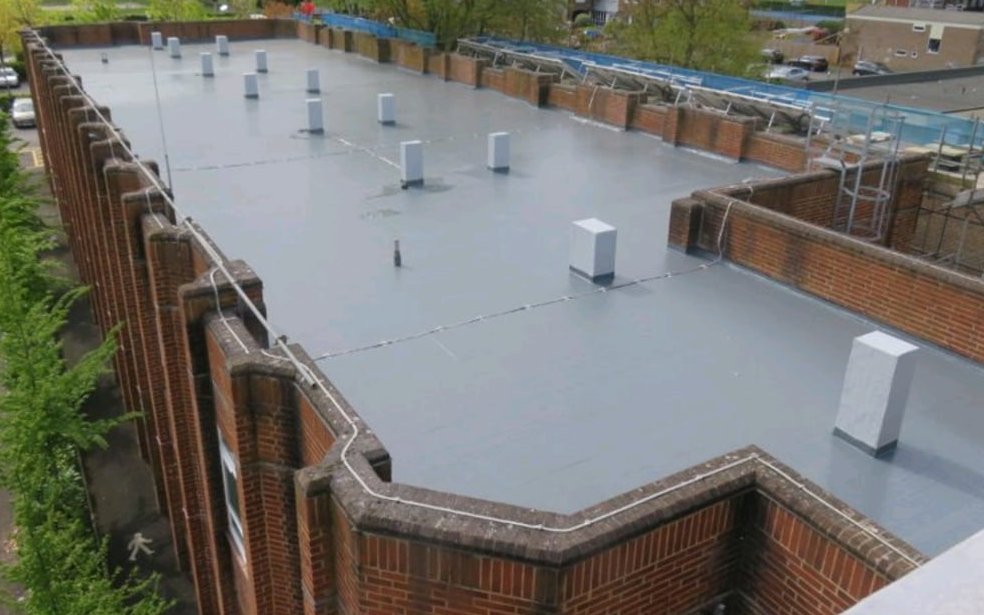
Flat roofing is a type of roof design where the surface has a minimal slope, usually less than 10 degrees, making it almost horizontal. This roofing style is often seen in commercial and industrial buildings, but is also used in residential settings, particularly on home extensions and garages. One of the key advantages of flat roofs is their cost-effectiveness, as they require fewer materials and less labour to install compared to pitched roofs. Additionally, the flat surface offers practical space for placing equipment such as HVAC units, solar panels, or even rooftop gardens, maximising the utility of the structure.
Flat roofs are typically covered with waterproofing materials like EPDM rubber, bitumen, or felt, which help to create a weather-resistant barrier that shields the building beneath. However, the lack of a steep slope makes drainage a critical issue. Without proper drainage systems, flat roofs are prone to water pooling, which can lead to leaks and structural damage over time. To combat this, flat roofs often incorporate drainage solutions such as internal drains, scuppers, or gutters to ensure effective water management.
According to the National Federation of Roofing Contractors (NFRC), the lifespan of a flat roof can range from 10 to 25 years, depending on the quality of materials used, the installation process, and regular maintenance. High-quality materials like EPDM rubber, which is resistant to UV rays and extreme weather conditions, tend to last longer than cheaper alternatives. Regular inspections and timely repairs are essential for flat roofs, as they are more vulnerable to issues such as standing water, punctures from foot traffic, or damage from weather conditions like heavy snow or storms.
Flat roofs are relatively easy and affordable to repair, with common repair tasks including sealing cracks, replacing damaged sections of felt or rubber, and ensuring that drainage systems remain clear and functional. This ease of maintenance makes flat roofing a popular choice for many building owners, particularly for commercial properties where roof access may be needed for equipment servicing. Despite their advantages, flat roofs do require careful design and expert installation to ensure long-term performance and to prevent common issues like leaks or water damage.
The most used flat roofing systems are; felt roofing, EPDM rubber, liquid roofing, GRP (fibreglass) roofing, and mastic asphalt. Felt roofing is a time-tested and widely used option, especially for both domestic and commercial projects. EPDM rubber is highly popular due to its UV and fire resistance, as well as its eco-friendliness. Liquid roofing is gaining popularity for its seamless, cold-applied finish. GRP roofing is known for its durability and low maintenance, while mastic asphalt, though less common, is valued for its excellent durabilty and suitability for complex detailing.
Felt roofing is a flat roofing system made from layers of bitumen-soaked felt. It has been a popular and affordable option for decades in both residential and commercial buildings. The felt is usually applied in multiple layers, creating a robust, water-resistant surface. This system is ideal for smaller flat roofs like sheds or garages but is also effective on larger commercial projects when properly maintained. Routine inspections and care can extend the lifespan of felt roofing, which generally lasts between 10 to 20 years. Its ease of repair makes it a cost-effective solution throughout its service life.
EPDM rubber roofing is a single-ply membrane composed of synthetic rubber. It is widely favoured for its durability and resistance to UV rays, weather, and extreme temperatures. This roofing system works well on flat or low-sloped roofs, offering exceptional waterproofing and flexibility. EPDM is also eco-friendly, as it is fully recyclable and can help reduce energy costs by improving insulation. With appropriate care, the material can last up to 50 years, providing a long-lasting roofing option for commercial properties. Its straightforward installation and low maintenance make it an excellent choice for a variety of roofing needs.
Liquid roofing involves applying a liquid membrane that hardens to form a seamless, waterproof barrier. It is applied cold, removing the need for heat or flames, making it safer and more versatile. Liquid roofing is highly effective for covering large surface areas and accommodating intricate roof details, such as vents and chimneys. It can be used as an overlay to prolong the life of existing roofs, making it a cost-efficient solution for refurbishments. Typically, the system becomes waterproof within hours of application, offering quick protection against leaks. Additionally, it can mould around irregular surfaces, providing a flexible and adaptable roofing solution.
GRP roofing, also known as fibreglass roofing, is made from a combination of plastic resin and glass fibres that harden to form a strong, durable, and waterproof surface. GRP roofs require little maintenance and can last for over 30 years, making them a dependable option for many types of buildings. The system is applied cold, reducing fire hazards during installation, and is available in a wide range of colours to meet aesthetic needs. GRP is also highly resistant to water, chemicals, and UV exposure, making it suitable for harsh weather conditions or industrial environments. When installed correctly, GRP provides excellent protection and is even suitable for water containment areas.
Mastic asphalt roofing is a durable system made from asphalt mixed with limestone aggregates, producing a smooth, weather-resistant surface. This method has been used for over a century and is renowned for its longevity and eco-friendliness, as it is fully recyclable. Mastic asphalt is particularly well-suited for complex roof shapes, as it can be easily moulded around details such as pipes and skylights. It is also carbon-zero rated, making it one of the most sustainable flat roofing options. Properly installed, mastic asphalt can last over 50 years, providing reliable protection for both commercial and industrial buildings. Additionally, it is highly resistant to fire and UV rays, enhancing its long-term durability.
• Experienced team of fully accredited Flat Roofing Specialists. We have operatives with more than 40 years’ experience.
• We provide a range of FREE quotations and solutions for all projects.
• Insurance backed guarantees.
• Excellent Customer Support throughout project.
• Rated 5 out of 5 from our previous customers.
If you would like a quotation or any information on flat roofing please get in touch with us or call us now on 01277 375 511. One of our friendly team of flat roofing experts will be happy to help you.
.